

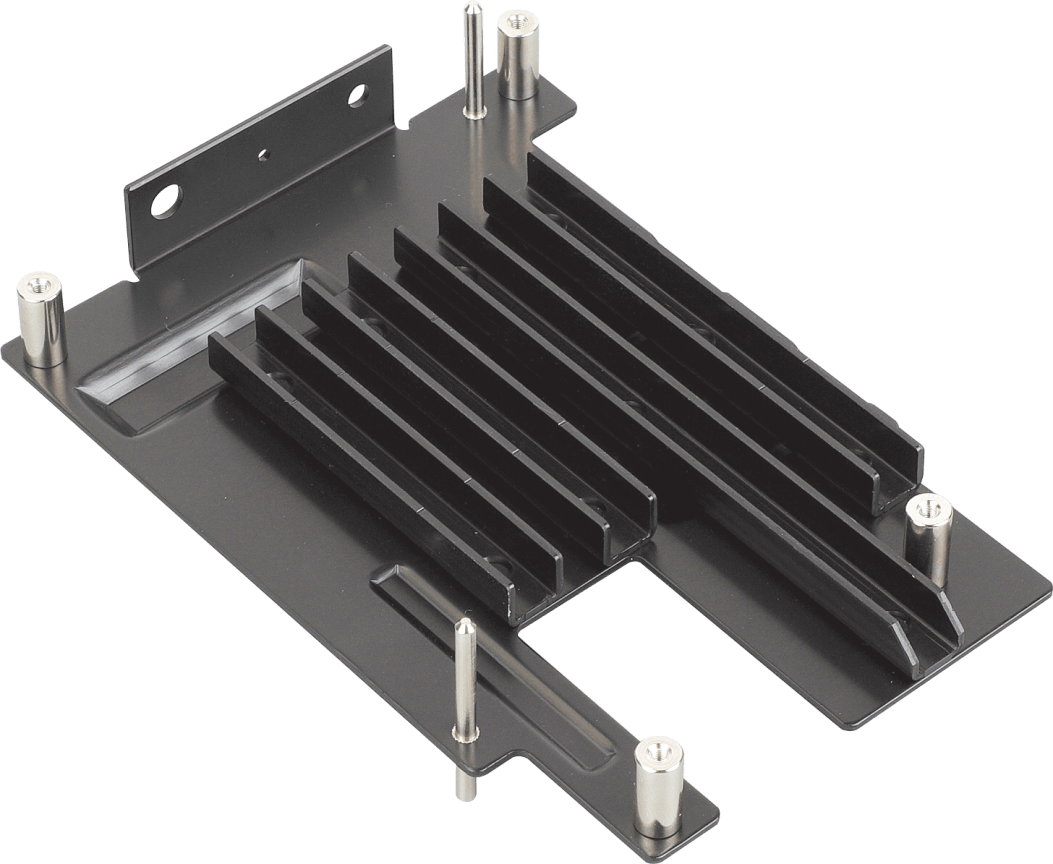
Heatsinks are widely used in LED lighting, power supplies, control boards, converters, communication devices, and industrial equipment. When these products run, they produce heat. If the heat cannot escape quickly, performance may drop and internal components may age faster.
Most heatsinks are made from aluminum because it is lightweight, cost-effective, and easy to process. Some high-performance applications also use copper for faster heat transfer. In either case, the goal is the same: improve heat dissipation and protect the device.
A good heatsink does more than cool a product. It also supports longer service life, better reliability, and safer operation. As electronics become smaller and more powerful, thermal control becomes more important than ever.
For manufacturers, choosing the right heatsink is a key step in building stable and durable products.