

Material selection plays a major role in the performance of a die-casting cover / shell. The right material affects strength, weight, corrosion resistance, thermal conductivity, surface finish, and overall cost. In most cases, manufacturers choose aluminum, zinc, or magnesium alloy based on the product’s requirements.
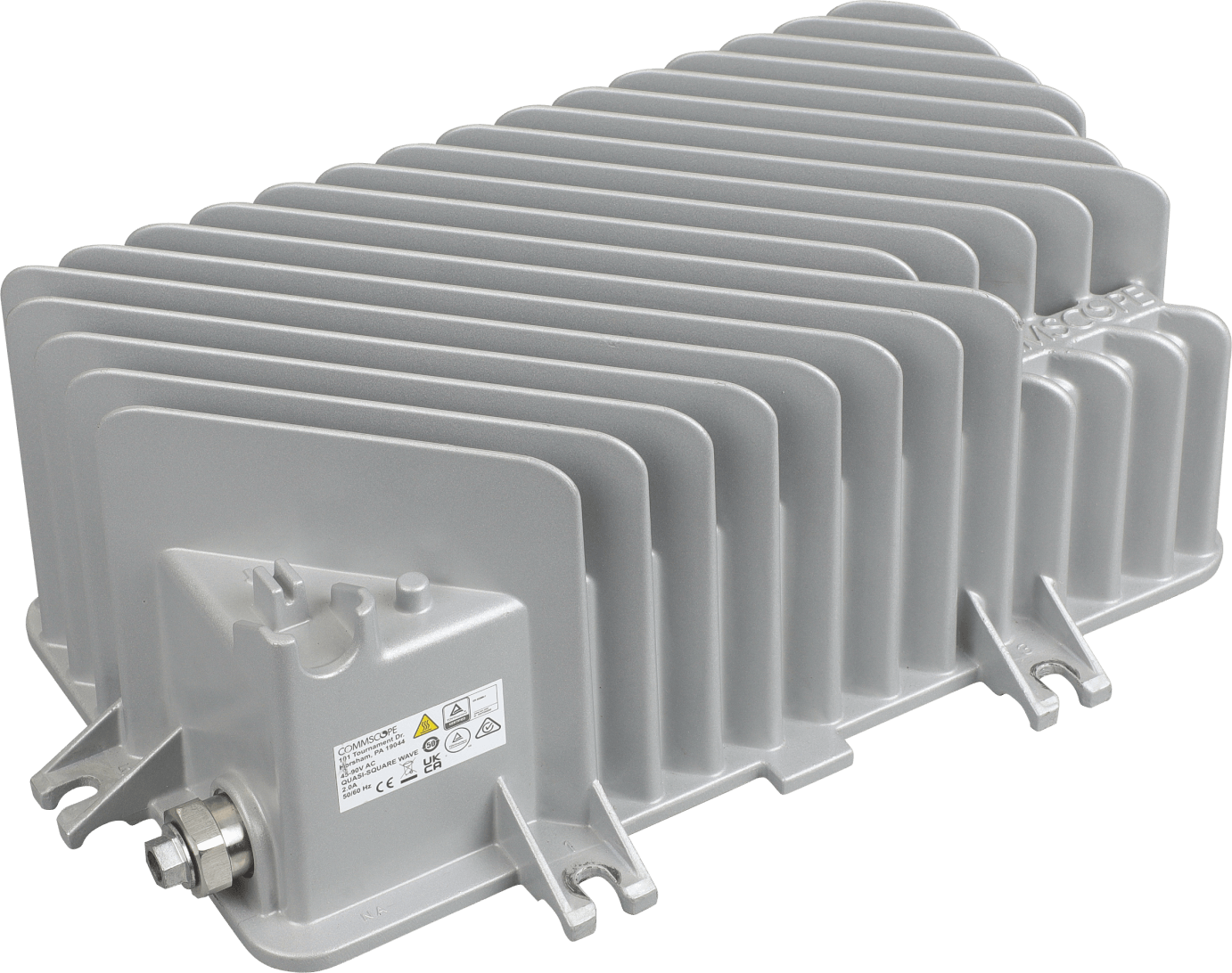
Aluminum alloy is one of the most common choices. It offers a good balance of light weight, strength, corrosion resistance, and thermal performance. Because of these advantages, aluminum die-cast shells are widely used in electronics, LED lighting, automotive parts, industrial control boxes, and power equipment.
Another reason aluminum is popular is its heat dissipation ability. In products that generate heat, such as power supplies, drivers, and electronic modules, an aluminum shell can help transfer heat away from internal components. It also supports a wide range of surface treatments, including powder coating, painting, machining, and polishing.
Zinc alloy is another widely used material, especially for smaller covers and shells that require fine details and smooth surfaces. Zinc has excellent casting fluidity, which makes it suitable for parts with thin walls, small features, and precise shapes. It is often used in connectors, electrical accessories, consumer electronics, and decorative hardware.
Zinc die-cast parts usually have very good dimensional accuracy and surface quality, which can reduce the need for secondary processing. However, zinc is heavier than aluminum, so it may not be ideal for products where low weight is a key requirement.
Magnesium alloy is mainly used in applications that focus on lightweight design. It is lighter than aluminum and can provide good structural performance in selected products. Magnesium die-cast shells are sometimes used in automotive components, communication devices, and portable equipment. However, the material and process cost may be higher, so it is usually chosen only when weight reduction is especially important.
When selecting a material, manufacturers typically consider the working environment, target weight, mechanical strength, corrosion conditions, heat requirements, appearance, and budget. For example, aluminum is often the best choice for a balance of performance and cost, while zinc is better for fine detail and magnesium is best for lightweight needs.
In summary, aluminum, zinc, and magnesium are the main materials used for die-casting covers / shells. Each has its own advantages, and the best option depends on the final product and application.